Most B2B buyers search for “dyed viscose yarn fading”, “batch color difference”, “yarn breakage issues” rather than generic product advantages. 90% of after-sales disputes of dyed viscose rayon yarns come from 7 typical defects. This blog targets real production and sourcing pain points, summarizes defect causes, judgment standards and actionable solutions, helping manufacturers, garment factories and wholesalers reduce rejection rate and avoid loss. It fully matches Google long-tail search keywords and industry practical scenarios.
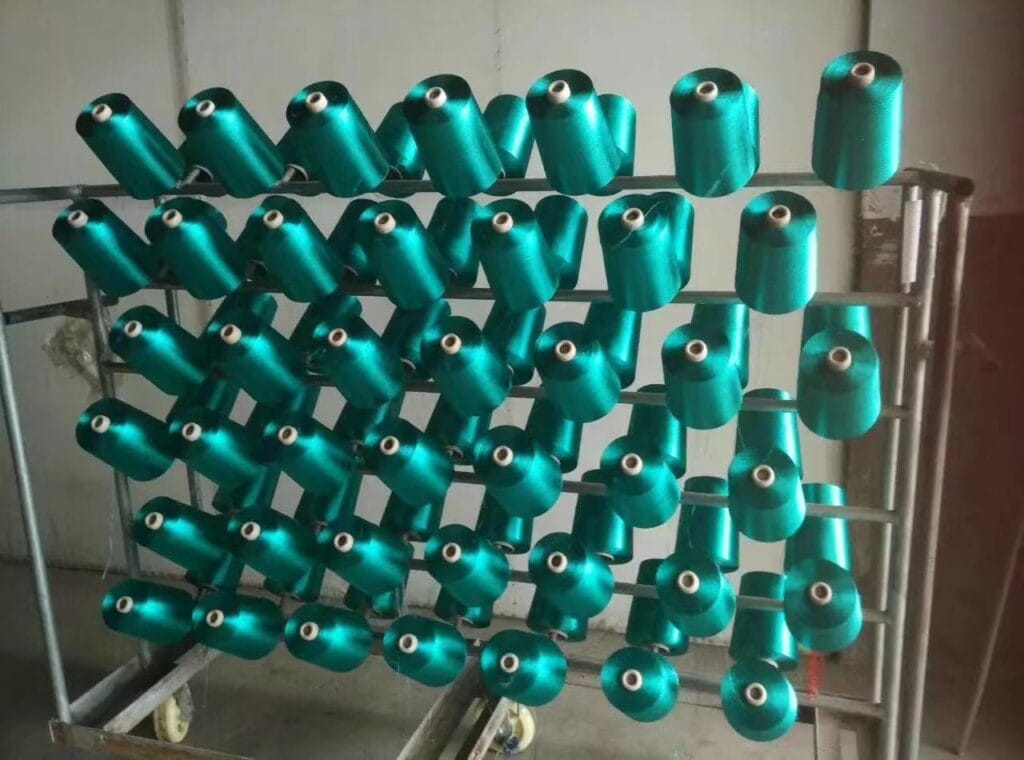
1. Washing & Rubbing Fading (Most Frequent Complaint)
Defect Performance: Finished fabrics fade after cold/hot water washing, color transfers during friction, unqualified for garment export inspection.
Core Causes: Low-quality reactive dyes insufficient fixation; excessive dye bath concentration; incomplete post-dye washing; viscose fiber’s natural strong moisture absorption leading to loose dye combination.
Practical Solutions: Prioritize yarns with color fastness ≥ Grade 4 (washing, rubbing, light fastness); require suppliers to adopt secondary fixation process; avoid dark color over-dyeing for light-use textiles; conduct pre-shipment 10-time washing test for bulk orders.
2. Batch-to-Batch Color Difference (Main Reason for Order Rework)
Defect Performance: Yarn colors of different production batches are inconsistent, leading to uneven color of woven fabrics and finished garments, unable to be sold in sets.
Core Causes: Un unified dye formula ratio; unstable dyeing temperature and time; different raw wood pulp batches; lack of standardized color calibration.
Practical Solutions: Confirm suppliers adopt fixed formula + computer color matching system; require batch sample comparison before bulk delivery; lock the same production line and raw material batch for large orders; reject products with ΔE color difference value over 2.0.
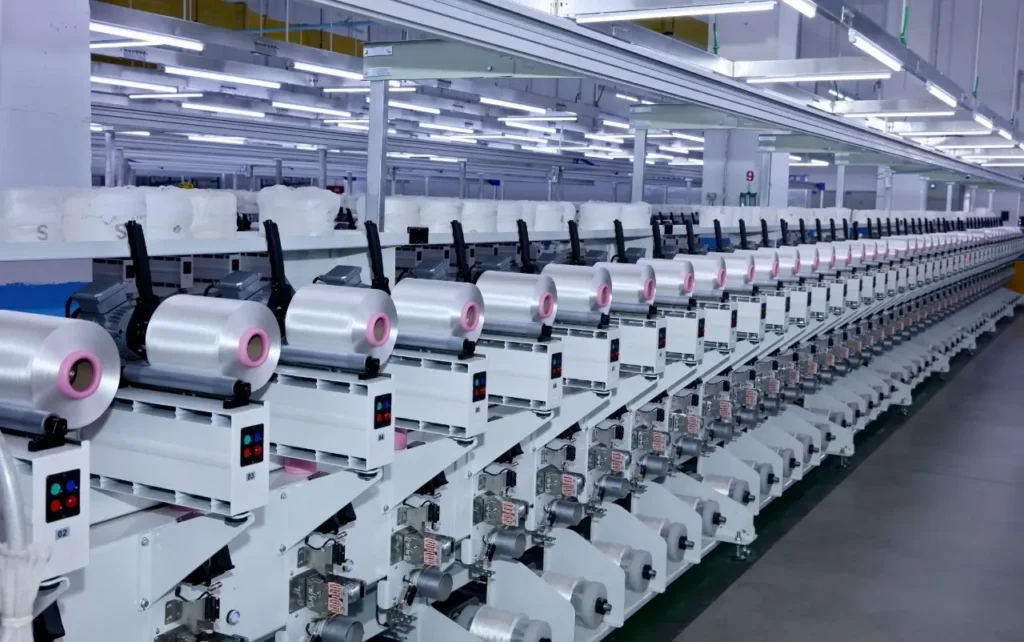
3. Yarn Breakage & Uneven Count (Affects Weaving Efficiency)
Defect Performance: Frequent yarn breakage during knitting and weaving, uneven yarn thickness, resulting in fabric sparse spots and poor flatness.
Core Causes: Unqualified yarn twist; excessive tension during dyeing; low fiber purity; incomplete impurity removal before spinning.
Practical Solutions: Select ring-spun dyed viscose yarns with stable twist; check yarn evenness tester reports before ordering; avoid high-tension dyeing process products; choose high-purity wood pulp raw material yarns.
4. Color Staining & Spotting (Local Defects)
Defect Performance: Irregular color spots, stains and color streaks on yarn surface, destroying fabric integrity.
Core Causes: Impurities in dye bath; untimely cleaning of dyeing equipment; uneven dye liquid penetration; floating dye residue on yarn surface.
Practical Solutions: Require suppliers to implement regular equipment cleaning SOP; adopt segmented penetration dyeing process; add floating dye cleaning procedure after dyeing; spot-check yarn surface before warehousing.
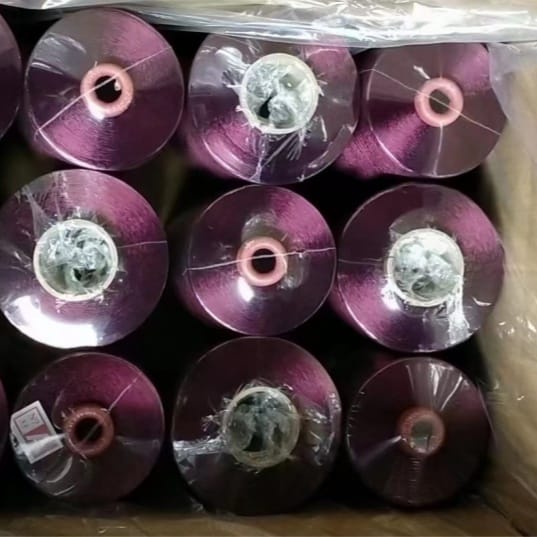
5. Sun Fading & Color Aging
Defect Performance: Long-term exposure to sunlight leads to color fading and yellowing, especially for outdoor home textiles and summer garments.
Core Causes: Ordinary dyes lack anti-ultraviolet function; insufficient dye layer fastness; unoptimized post-treatment process.
Practical Solutions: For outdoor products, select yarns with light fastness ≥ Grade 4-5; adopt UV-resistant dyeing additives; avoid bright and neon colors for long-term light-exposed products.
6. Shrinkage Excess After Dyeing
Defect Performance: Viscose yarn shrinks significantly after washing and weaving, causing finished fabric size deviation and garment deformation.
Core Causes: Viscose fiber’s natural water absorption expansion characteristic; no pre-shrinking treatment before and after dyeing; unreasonable drying temperature.
Practical Solutions: Prioritize pre-shrunk dyed viscose yarns; confirm shrinkage rate ≤5% in test report; avoid high-temperature rapid drying process.
7. Harmful Residue & Environmental Non-compliance
Defect Performance: Excessive chemical residues, failing OEKO-TEX and REACH tests, leading to customs detention and order return.
Core Causes: Use of low-cost unqualified dyes and auxiliaries; incomplete water washing and detoxification process.
Practical Solutions: Mandatory check of valid environmental certification reports; select low-pollution eco-friendly dyeing process products; avoid unknown small-batch customized color products without test reports.
Final Practical Summary
All dyed viscose rayon yarn quality problems have corresponding controllable standards. Buyers should not only focus on price and color, but take color fastness, batch consistency, shrinkage rate, environmental compliance as core inspection indicators. This set of defect solutions can be directly used for supplier auditing, incoming material inspection and production quality control, effectively reducing 80% of quality risks.
Email:
Factory Address:
West Ring Road, Weibin District, Xinxiang City, Henan Province, P.R.China
Foreign Trade Department:
No. 86 Poyanghu Road, Zhengzhou Airport Economy Zone, Henan Province, P.R.China